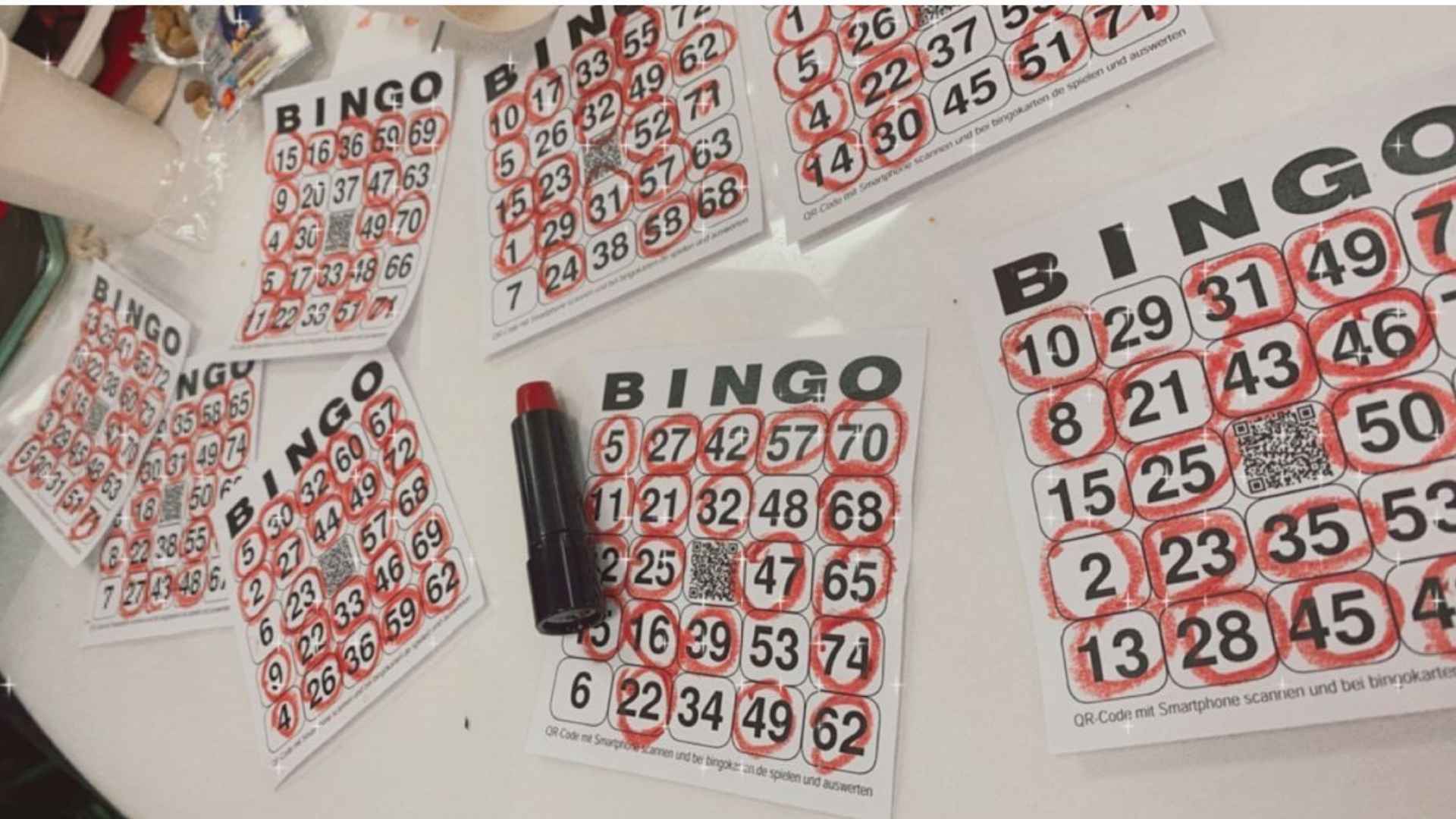
Replayability is one of the most important metrics in contemporary game design, determining how long players remain engaged with a title after their initial experience. Among the various design choices that foster session longevity, chance-based bonuses play a central role in breaking up repetitive gameplay patterns. By introducing unpredictable rewards, game developers can turn standard game loops into dynamic, high-anticipation events that keep audiences coming back for more.
The Dynamic Appeal of Unpredictable Rewards
Static reward structures often lead to predictable gameplay routines, which can quickly diminish a player's long-term interest. When bonuses are awarded based on variable probability, the inherent uncertainty naturally heightens curiosity and sharpens player focus. This continuous cycle of anticipation ensures that even familiar tasks feel unique every time they are undertaken.
Psychological studies into gaming behavior show that variable reward schedules trigger stronger emotional engagement than fixed outcomes. Players are naturally drawn to moments where their efforts might yield an exceptional payout or a rare item. Consequently, this sense of possibility serves as a primary driver for launching subsequent game sessions.
Extending Game Longevity Through Randomization
Integrating chance-based incentives alters how players approach long-term progression within virtual environments. Instead of grinding toward a visible and static milestone, users experience spontaneous highlights that instantly alter their tactical decisions. This variability keeps the core mechanics feeling novel, directly extending the overall lifespan of the title.
Modern digital platforms often refine these probability algorithms to maintain a balanced user experience over prolonged periods. For instance, players accessing online services like wd boss slot login often encounter dynamic bonus systems calibrated to reward sustained activity. Such features showcase how unpredictable incentives remain essential for maintaining steady user retention.
Balancing Probability with Fair Player Experience
While randomness generates excitement, excessive reliance on pure chance can lead to player fatigue if not balanced properly. Developers must implement baseline fairness controls to ensure that unlucky streaks do not penalize dedicated participants. Combining guaranteed baseline rewards with surprise bonus multipliers creates a reliable safety net for all skill levels.
When players recognize that their time is respected regardless of individual outcomes, their overall satisfaction rises significantly. A well-designed chance mechanic offers encouragement rather than frustration, reinforcing positive player habits. This thoughtful design balance lies at the heart of games that successfully retain active communities over several years.
The Evolution of Adaptive Replay Systems
As gaming technology advances, artificial intelligence and data analytics allow developers to craft highly tailored bonus mechanics. Modern engines can adapt prize distributions based on individual player styles, making dynamic rewards feel more personal and timely. This level of customization ensures that replayability remains high across diverse user demographics.
Ultimately, chance-based bonuses will remain a foundational pillar in interactive entertainment design. By continuously blending surprise elements with transparent mechanics, game creators ensure that every return visit offers fresh excitement and meaningful engagement.