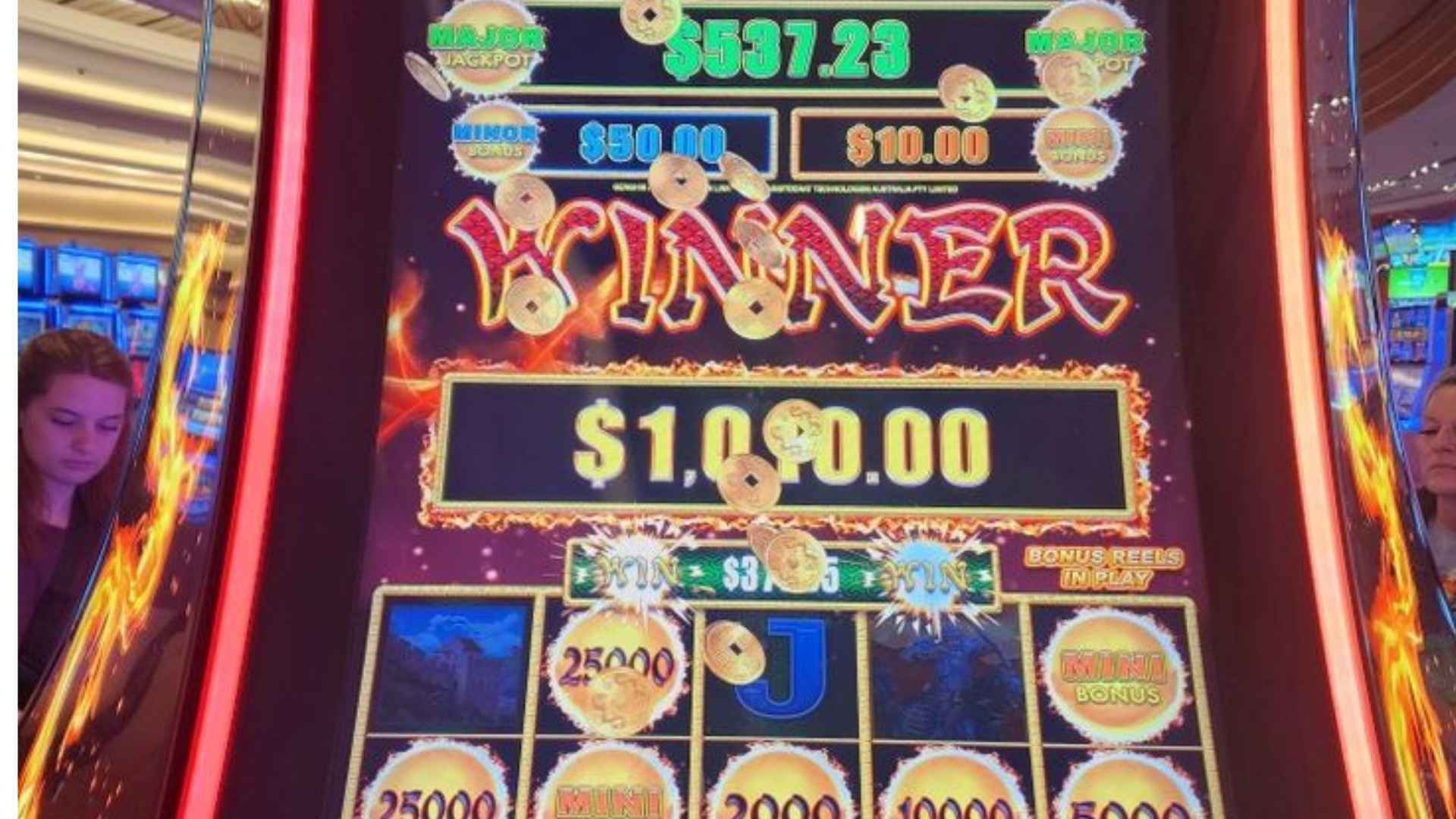
The concept of spinning a wheel for rewards has evolved from simple carnival attractions into highly complex interactive media. Modern digital designers are expanding this classic format by integrating deep narratives, progression mechanics, and immersive audio-visual loops. These innovations have elevated the entire player experience far beyond the predictable nature of historical prize wheels.
The Shift to Multi-Layered Gameplay Loops
Traditional spinning wheels offered a static, one-off outcome that immediately ended the interaction. Contemporary platforms alter this dynamic by introducing multi-tiered challenges where a single spin serves as a gateway to broader game modes. Players might unlock interactive storylines, puzzle pieces, or tactical bonuses that influence their long-term digital journey.
This structural change heavily shifts consumer focus from simple material acquisition to ongoing interactive exploration. By treating the mechanism as a creative narrative tool, developers ensure sustained curiosity across multiple sessions. As a result, the gameplay remains intellectually stimulating rather than completely dependent on passive fortune.
How Immersive Theming Alters Consumer Perception
The visual and artistic design of modern selection mechanics plays a massive role in building user loyalty. Incorporating thematic settings like futuristic cyber-cities or detailed historical mythologies transforms the emotional weight of each round. When players feel connected to an expansive world, the act of waiting for a result becomes a cinematic experience.
Dynamic environments respond to user interactions through realistic physical simulations and real-time lighting alterations. Major entertainment hubs often use these atmospheric details to differentiate their catalog from generic casual layouts. For example, prominent brands such as m88 mansion utilize highly optimized thematic presentations to ensure their digital interfaces feel sophisticated and deeply engaging.
Technological Integration and Future Possibilities
Advanced algorithmic developments allow creators to personalize reward distribution based on individual engagement patterns. Instead of utilizing uniform percentages for all participants, systems can dynamically offer tailored modifiers that match a user's gameplay style. This strategic balancing act keeps the system inherently satisfying while protecting the fundamental integrity of random design.
Looking ahead, the integration of extended reality hardware promises to make these systems even more tangible. Virtual reality headsets could allow consumers to manually spin physical objects in fully simulated digital spaces, bridging the gap between nostalgic realism and future technology. Such continuous technical progress guarantees that the simple joy of the turn will thrive in the next media generation.