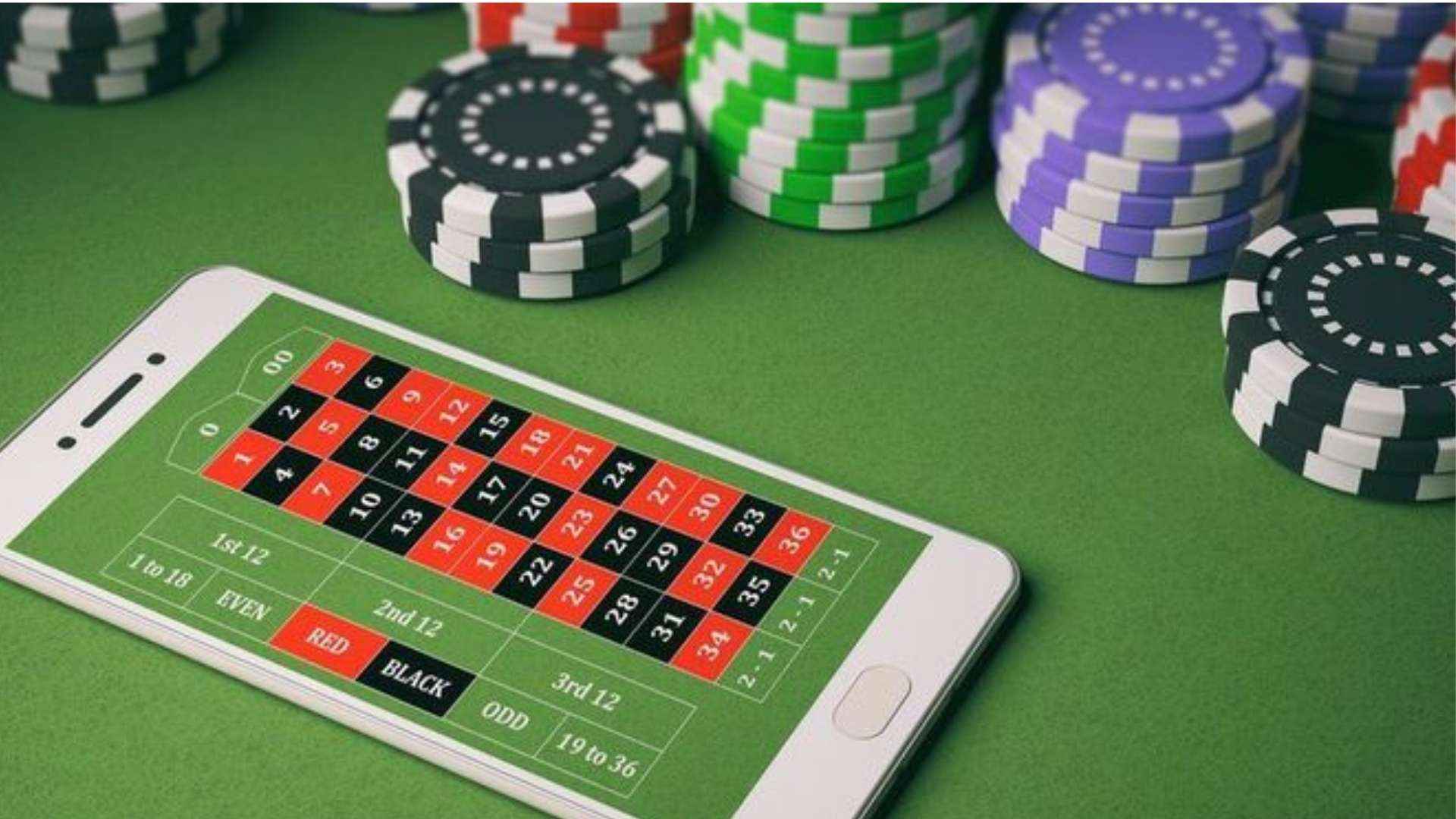
The landscape of tabletop gaming is undergoing a massive transformation as designers push the boundaries of traditional mechanics to deliver highly engaging experiences. No longer confined to simple dice rolls or predictable card movements, modern table games are introducing systems that challenge how players interact with the board and each other. These creative updates provide fresh layers of strategy, making every session feel unique and rewarding for enthusiasts around the globe.
The Rise of Hybrid Mechanics
One of the most exciting developments in modern table design is the integration of physical components with clever mechanical systems. By combining traditional card drafting with shifting board layouts, creators ensure that players must constantly adapt their strategies on the fly. This fluid approach keeps participants deeply invested throughout the session, as a single move can reshape the entire playing field.
Furthermore, many of these hybrid systems introduce cooperative elements where participants must balance personal victory with shared survival. This tension adds a layer of psychological depth that classic designs often lacked, making each choice feel critical to the overall outcome. As players negotiate and coordinate their actions, the social dynamic of the room becomes just as important as the physical pieces on the board.
Reimagining Classic Structures
Even standard formats are receiving impressive overhauls, with designers finding clever ways to breathe new life into familiar routines. Classic card matching and strategic betting systems are being elevated with hidden movement, resource management, and asymmetrical player powers. These subtle shifts ensure that even seasoned players face a learning curve when experiencing these updated layouts for the first time.
For those looking to explore a dynamic platform featuring a diverse variety of strategic options, visiting M88bet offers a modern way to test your decision-making skills. Engaging with these updated structures helps sharpen tactical thinking while providing endless entertainment in a structured environment. Finding a balance between calculated risk and creative adaptation remains the key to mastering these modern setups.
Technology Integration in Tabletop Play
Another prominent trend is the incorporation of digital elements that work alongside physical boards to streamline complex rules. Companion apps and smart surfaces help manage tedious upkeep tasks, allowing players to focus entirely on strategy and tactical decisions. This seamless blending of digital and physical assets has opened up new avenues for real-time events and hidden information delivery during gameplay.
By utilizing technology, developers can create evolving storylines and dynamic difficulty adjustments that respond to player actions. This keeps the experience highly unpredictable and increases the replayability of the game significantly over time. As these systems continue to mature, the distinction between digital and analog entertainment will likely become even more beautifully integrated.