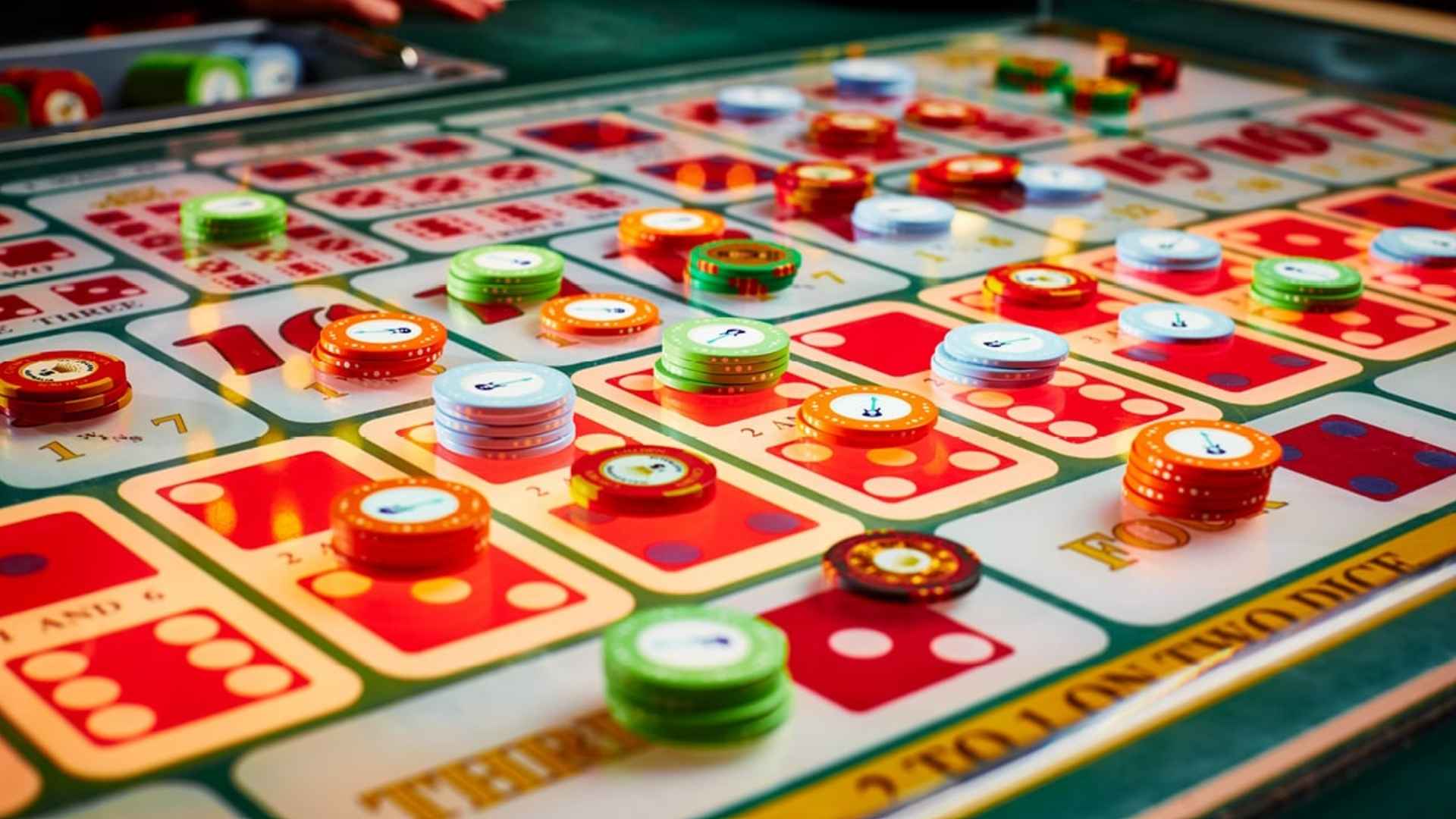
When participating in wheel-based games of chance, many players quickly form a strong preference for specific segments on the board. Even when every section carries the exact same mathematical probability, individuals routinely favor particular colors, numbers, or positions. This phenomenon highlights how human psychology interacts with visual randomness, turning simple probability into a deeply personal experience.
The Illusion of Control in Random Events
Human beings naturally seek patterns and influence, even in situations driven entirely by random chance. Selecting a specific segment gives participants a psychological sense of agency over an outcome they cannot actually alter. This belief in personal influence helps reduce the uncertainty associated with randomized outcomes.
Psychologists refer to this tendency as the illusion of control, where familiar choices create a comforting sense of predictability. Over time, players begin to feel that their chosen section holds a special connection to their personal luck.
Confirmation Bias and Memorable Wins
Another major reason players develop trust in specific wheel sections is confirmation bias. People are far more likely to remember the thrilling moments when their favorite section landed than the many times it missed. These vivid memories reinforce the belief that the chosen segment is luckier than the rest.
When accessing gaming platforms through an m88 link login, users often encounter interactive interfaces that showcase recent spin histories. While these histories display fair and independent results, players frequently interpret past wins as proof of an emerging trend.
Visual Anchoring and Spatial Familiarity
The physical layout of a rotating wheel plays a significant role in shaping participant preferences. Bright colors, distinct numbers, or top-center positions naturally draw human visual attention more effectively than surrounding segments. This visual emphasis creates an informal anchor in the player's mind during every rotation.
Repeated focus on a single area fosters a feeling of spatial familiarity and emotional comfort. As the wheel spins, tracking a specific segment becomes an engaging visual routine that heightens anticipation.
Emotional Connection to Lucky Numbers and Colors
Personal identity and background heavily influence how individuals select their favorite segments. Many players choose sections that align with personal lucky numbers, meaningful birth dates, or favorite colors. Connecting a personal story to a game element makes the overall experience feel far more meaningful.
This emotional alignment transforms a standard game mechanic into a customized form of entertainment. Trusting a favorite section ultimately adds excitement, narrative value, and personal engagement to every single spin.